
Partnership for Healthy Parenting Program 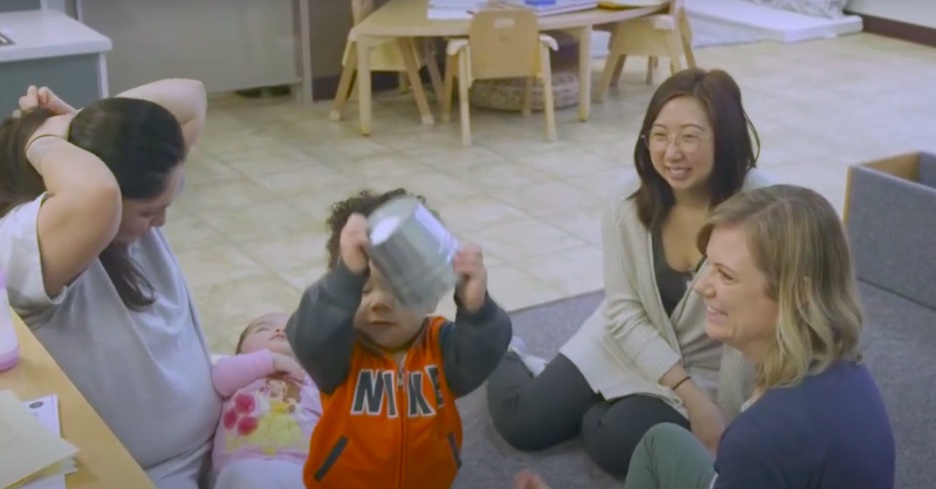
The University of Washington’s Partnership for Healthy Parenting is dedicated to the well-being of families impacted by incarceration. Founded in 2016 by Kate Krings (Associate Teaching Professor) and Amy Pace (Associate Professor) in the Department of Speech and Hearing Sciences, the mission of the partnership is to promote healthy bonds between incarcerated mothers and young children through strong communication skills.
This project is the result of an unprecedented collaboration between the University of Washington Department of Speech and Hearing Sciences, Puget Sound Early Head Start educators, who work directly in the child development center (prison nursery), and the Residential Parenting Program (RPP) at Washington Correction Center for Women (WCCW).
Our team of faculty, staff, and students work with Early Head Start and WCCW to provide parenting and child-development worksho ps to incarcerated mothers. The team is currently working to examine how parenting education helps incarcerated mothers understand their children’s communication needs, develop mother-child relationships, and use communication strategies to stimulate their child’s learning and development. From this strong foundation, the team seeks to intensify its efforts through increased one-on-one interaction with mothers and expanded training for direct service providers at WCCW.
Read an article or watch a video about our program.
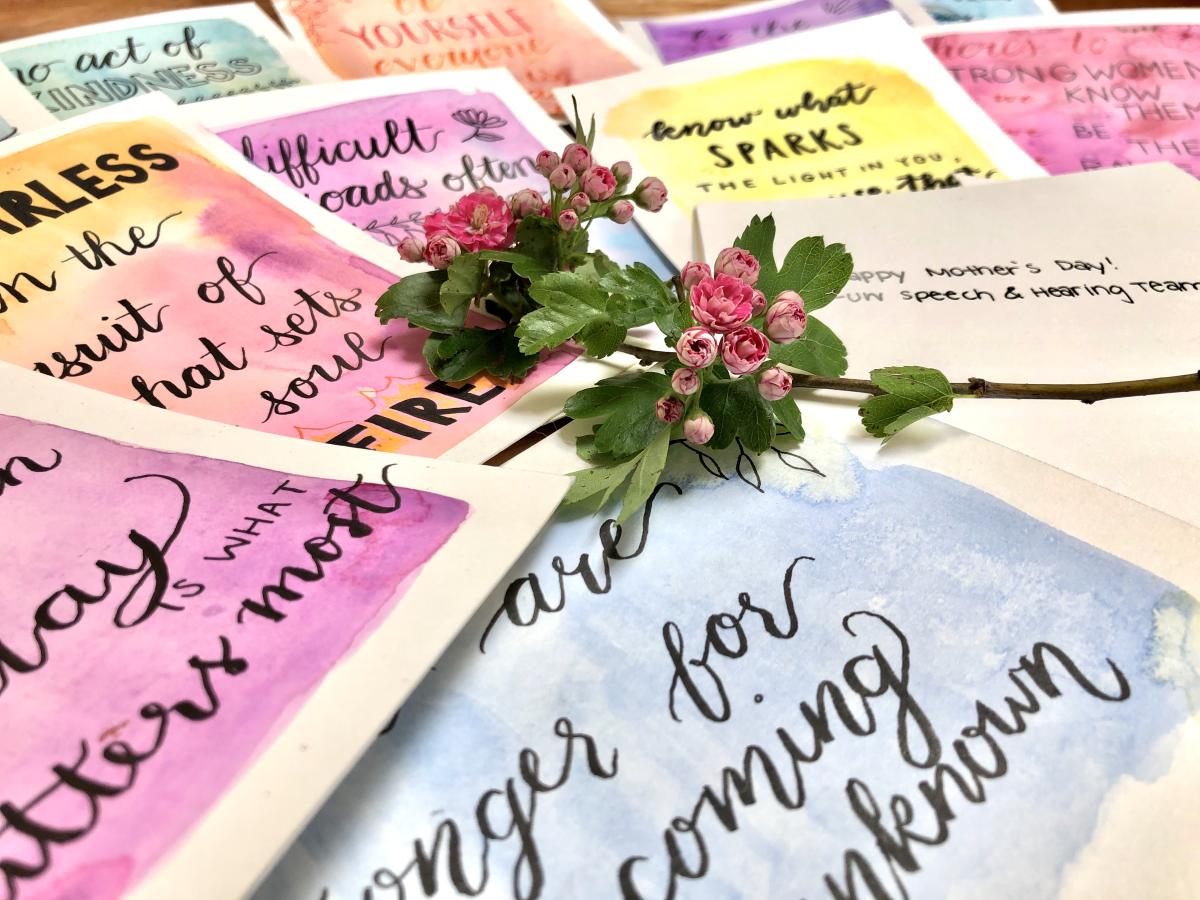 Mothers Group at Mission Creek Correction Center for Women
In 2024, we expanded the scope of our program to support incarcerated mothers at the Mission Creek Correction Center for Women (MCCCW) in Belfair, WA. We were invited to support mothers at Mission Creek by developing a safe space to build community, share information about child development and parenting, and talk about specific needs related to mothering.
Our team includes speech-language pathologists, educators, psychologists, and researchers from the University of Washington. Our focus is guided by input from our participants and includes topics such as: child development, healthy attachment theory and strategies, navigating public school and special education services, mindfulness, trauma-informed support for child and family wellbeing, culturally responsive practices, self-advocacy skills for meeting parenting needs while incarcerated, and strategies for maximizing connection during family visits.
The format for exploring these topics includes creative outlets such as written and verbal reflection, artistic expression, and peer mentoring. We partner with several community organizations to empower women to rebuild their lives with their children.